How to Winterize a Boat: Avoid Costly Repairs This Season

Published January 16, 2026
The first frost hits, and suddenly your boat is sitting there, exposed, vulnerable, and quietly getting expensive. Every year, thousands of boat owners skip winter prep and pay for it in cracked engines, ruined fuel systems, and springtime repair bills they never saw coming.
So how do you avoid that? Learning how to winterize a boat isn’t just smart, it’s essential. Whether you’re wondering how much it costs to winterize a boat, how to winterize a boat motor, or even how to winterize a pontoon boat, this guide breaks it down step by step.
Ready to protect your investment before winter does real damage?
Start With Fuel: The Silent Winter Killer
Fuel issues are one of the most common and expensive winter mistakes. When temperatures drop, untreated fuel breaks down, attracts moisture, and gums up your system. That’s why the first step in how to winterize a boat always starts at the tank.
Fill it enough to limit condensation, but leave room for expansion. Add a marine-grade fuel stabilizer and run the engine long enough to circulate it. Ask yourself: would you rather spend a few minutes now or hundreds later on clogged injectors?
As one mechanic puts it, “Bad fuel causes more spring headaches than frozen water ever will.”
Change Oil Before It Changes Your Budget
Old oil isn’t just dirty, it’s acidic. Letting contaminated oil sit in your engine all winter slowly eats away at internal components. Changing the oil and filters before storage is a non-negotiable step, especially if you’re serious about how to winterize a boat motor properly.
Warm oil drains more completely, so do this shortly after running the engine. This small task can be the difference between smooth spring startups and metal-on-metal damage. Skipping it may seem harmless, but it quietly shortens engine life and inflates how much it costs to winterize a boat long-term.
Flush and Protect the Cooling System
Water left inside your engine doesn’t just freeze, it expands, cracks, and destroys. Flushing the cooling system with fresh water removes salt, sand, and debris that corrode parts during storage.
Once drained, run a non-toxic marine antifreeze through the system. This step is critical whether you’re storing indoors or out. Many owners assume heated storage makes this optional, but it doesn’t.
Freezing can still occur in trapped pockets. If you’re learning how to winterize a pontoon boat, this step matters just as much as it does for high-performance engines.
Fog the Engine Like a Pro
Fogging sounds dramatic, but it’s simple insurance. Spraying fogging oil into the engine coats internal components, preventing rust during months of inactivity. Think of it as a protective winter blanket for metal parts you can’t see.
Skip this, and moisture slowly corrodes cylinders and rings. Manufacturers recommend fogging for a reason, it works. A veteran boater once said, “Engines don’t die from use; they die from sitting.”
Fogging directly addresses that risk and costs far less than rebuilding an engine damaged by internal corrosion.
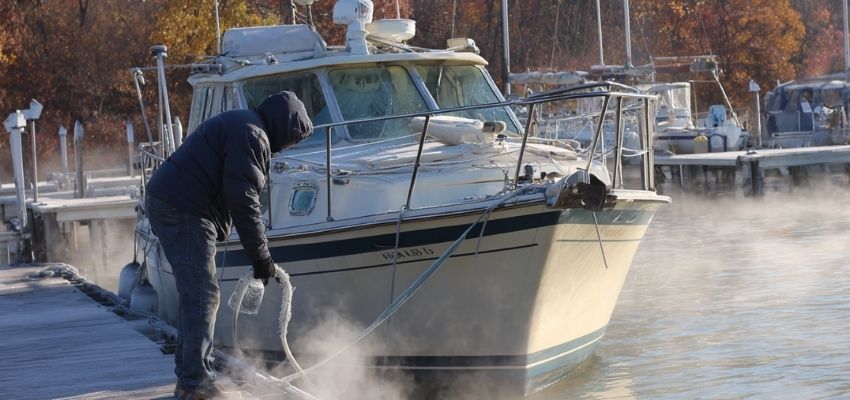
Battery Care Most Owners Get Wrong
Leaving a battery in your boat all winter is a gamble, and one many lose. Cold temperatures drain batteries faster, and a dead battery can freeze and crack. Remove it, fully charge it, and store it in a dry, temperature-controlled space.
Check it monthly and recharge as needed. This simple habit extends battery life significantly. If you’ve ever wondered how much to winterize a boat, replacing batteries prematurely is an unnecessary expense.
Proper storage turns a $200 replacement into a problem you won’t face for years.
Deep Clean to Prevent Hidden Damage
Winter storage magnifies dirt, moisture, and leftovers. Food crumbs invite rodents. Damp upholstery breeds mold. Before storage, remove valuables, clean every surface, and dry everything thoroughly.
Take cushions and life jackets home if possible. This isn’t just about aesthetics, it’s about preventing damage you won’t see until spring. Mold remediation and rodent repairs add up fast. Cleaning now protects resale value and saves frustration later.
It’s one of the most overlooked steps in how to winterize a boat, yet one of the easiest ways to avoid unpleasant surprises.
Inspect and Repair Before It’s Too Late
Winter is unforgiving to existing damage. Small cracks grow. Loose fittings worsen. With your boat out of the water, inspect the hull, propeller, seals, and hardware. Fixing issues now is cheaper than waiting until spring, when demand spikes and marinas are booked solid.
This is also the best time to spot wear you missed during the season. Ask yourself, do you want repairs done on your schedule or the repair shop’s? Proactive fixes reduce downtime and help control how much it costs to winterize a boat overall.
Protect the Exterior With Wax and Covers
Waxing isn’t just for shine, it’s protection. A fresh coat shields gel coat and paint from moisture, oxidation, and grime buildup. Follow that with a properly fitted, breathable cover. Tarps trap moisture and cause damage, quality covers prevent it.
Secure it tightly to avoid wind damage. Snow load and pooling water are real threats. Exterior neglect over winter leads to faded finishes and costly cosmetic repairs. A little effort here keeps your boat looking and performing, like it should when the water calls again.
Choose Storage Like It Matters, Because It Does
Indoor, outdoor, marina, or backyard, storage choice directly affects risk. Indoor storage offers the most protection but costs more upfront. Outdoor storage demands extra prep and frequent checks.
No matter where you store, lock the boat, document its condition, and check on it periodically. Some marinas offer monitoring services, use them. Storage isn’t just where your boat sits; it’s part of the winterization process.
Smart storage decisions reduce damage, theft, and insurance claims, making them a hidden factor in how much does it cost to winterize a boat.
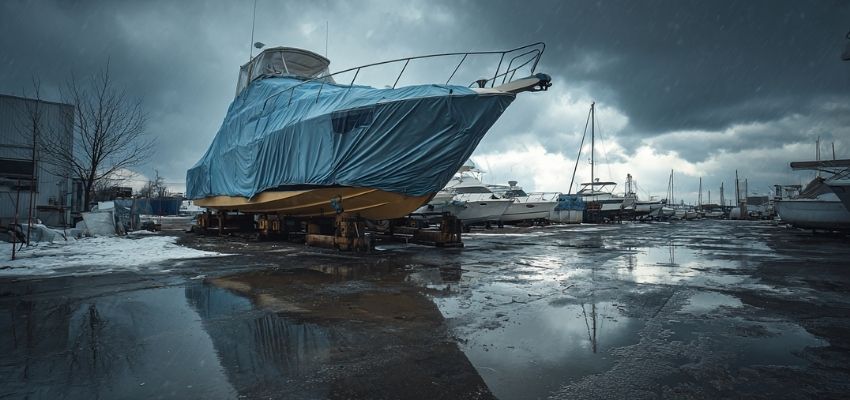
Review Insurance Before Winter Hits
Many owners assume insurance is “set it and forget it.” That’s risky. Winter storage changes exposure, storms, theft, and collapse damage become more likely. Review your policy to ensure coverage matches how and where your boat is stored.
Some insurers offer discounts for proper winterization or indoor storage. Others require documentation. A quick review now can save major headaches later. Winterizing isn’t just mechanical, it’s financial protection.
The smartest boat owners don’t just prep engines, they prep paperwork too.
FAQs About How to Winterize a Boat
What’s the average price to winterize a boat?
The average cost is between $150 and $500. The price depends on boat size and engine type. This answers how much it costs to winterize a boat for most owners.
How to quickly winterize your boat to save it from cracking?
Drain all water from the engine and hoses right away. Add marine antifreeze to protect parts from freezing. This is the fastest way to winterize a boat motor safely.
What is the most popular method of winterization for boats?
The most common way is draining water and adding antifreeze. Many owners also use fuel stabilizer and fogging oil. This method works for most boats, including pontoons.
Do you leave antifreeze in boat engine over winter?
Yes, antifreeze should stay in the engine all winter. It stops water from freezing and cracking parts. This is a key step in how to winterize a boat.
How many gallons of antifreeze to winterize a boat engine?
Most boats need 2 to 5 gallons of antifreeze. Larger engines may need more. This affects how much to winterize a boat overall.
Final Thoughts
Winter can be hard on boats, but a little care makes a big difference. When you learn how to winterize a boat, you help stop cracks, rust, and costly damage. Draining water, adding antifreeze, charging batteries, and covering your boat keep it safe until warm days return.
Think of winterizing as putting your boat to sleep the right way. When spring comes, it will be ready to go. If you’re in South Florida and want to enjoy the water without the stress, Luxury Retreat Group is here for you.
We offer beautiful yacht charters in Boca Raton, so you can relax, celebrate, and make great memories on the water, no winter worries needed.
Book Yacht Charters With Luxury Retreat Group
Looking for a great time on the water in South Florida? Luxury Retreat Group is now available for one-of-a-kind yacht charters in Boca Raton and beyond. Book our yachts for parties, romantic yacht dinner cruises, and more.

Fact Checked By Experts
Our team of experts has fact-checked this article. Explore the editorial standards to learn more about our commitment to factual accuracy.

About The Author
Rei Bayucca is a professional writer who loves yachting in South Florida’s tropical weather. She writes engaging and insightful articles that captivate and educate readers.