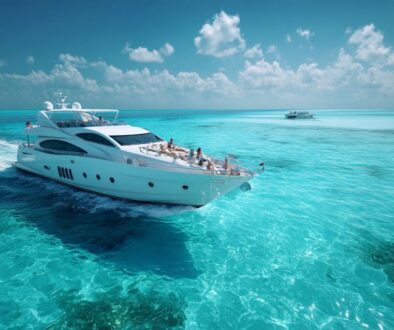
Boating Safety Equipment That Every Luxury Yacht Owner Needs

Published February 6, 2026
One calm day on the water can turn risky in seconds. Many luxury yacht owners believe comfort equals safety, but that belief can cost lives. The problem isn’t the boat, it’s missing boating safety equipment.
Whether you cruise Florida’s coasts or face Michigan boating safety equipment requirements, being ready matters. This guide breaks down required boating safety equipment without boring rules or big words.
You’ll learn what belongs on every boating safety equipment checklist, why it saves lives, and how owners stay ahead of trouble. As one captain says, “Hope is not safety gear.” Are you prepared when the unexpected hits?
Life Jackets Save Lives First
Most yacht owners relax once they leave the dock. That is the danger. Waves change fast, and people fall faster. Boating safety equipment always starts with life jackets. Every person on board needs one that fits. Kids should wear them all the time. Adults should keep them close.
In Florida boating safety equipment rules, life jackets are not optional. A captain once said, “Water does not wait for mistakes.” That is true. Ask yourself, if someone falls right now, are life jackets easy to grab? Comfort does not replace safety. Life jackets turn panic into survival.
A First Aid Kit Is Not Just a Box
Cuts, burns, and slips happen even on luxury decks. A strong boating safety equipment checklist always includes a first aid kit. This kit should handle small pain and big trouble. Bandages, wipes, gloves, and medicine matter.
Michigan boating safety equipment requirements expect boats to be ready, not lucky. One guest trip can turn bad with one sharp edge. Think about this: help may be far away. What will you do in the first ten minutes? A first aid kit buys time, calm, and control when things go wrong.
Call for Help Before It’s Too Late
Silence is dangerous offshore. Communication tools are quiet heroes in boating safety equipment. VHF radios, satellite phones, and emergency beacons save lives. When engines stop or storms hit, calling for help is power.
Florida boating safety equipment rules support strong communication tools because help can be miles away. A simple radio call can change fear into rescue. Ask yourself, if your phone dies, what’s next? Luxury yachts travel far. Voices must travel farther.
Do not trust luck when signals can save you.
Signals That Say “We Need Help”
When trouble hits, people must see you. Emergency signals are small but mighty boating safety equipment tools. Flares, flags, and lights guide rescuers fast. At night or in fog, signals matter more than sound. Many owners forget to replace expired flares. That mistake costs time.
Michigan boating safety equipment requirements stress visible signals for a reason. A sailor once said, “If they can’t see you, they can’t save you.” Are your signals bright, ready, and easy to reach today?
Know Where You Are at All Times
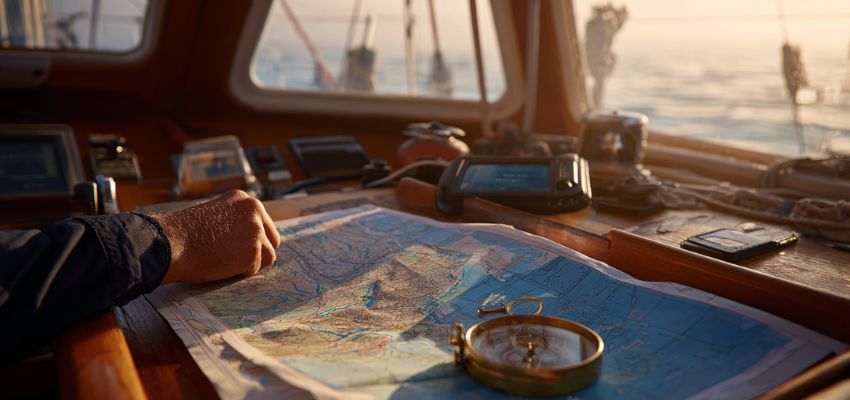
Getting lost is easier than you think. Navigation tools keep yachts safe and calm. Charts, GPS, and compasses belong on every boating safety equipment checklist. Electronics can fail. Paper backups still matter. Weather, fog, or night travel makes direction harder.
A wrong turn can lead to shallow water or danger zones. Ask yourself, if the screen goes black, do you still know the way? Luxury yachts go far. Smart captains always know where they are and where they’re heading.
Anchors Are More Than Parking Tools
Anchors are not just for stopping. They are emergency tools. Strong anchors and lines are required boating safety equipment for safety and control. When engines fail, anchors prevent drifting into danger. Many owners buy weak anchors for looks. That is risky.
Weather changes fast on open water. A solid anchor holds your yacht and your peace of mind. One crew member said, “The anchor saved us before help came.” Is your anchor ready to work when things turn bad?
Keep Water Out Before It Wins
Water inside a yacht is trouble. Bilge pumps fight that trouble. This boating safety equipment quietly protects your boat every trip. Leaks, waves, or storms can fill spaces fast. Pumps remove water and prevent sinking. Always check if they work. Backup pumps add safety.
Florida boating safety equipment checks often include bilge systems. Ask yourself, when was the last time you tested yours? Luxury means nothing if water stays inside. Pumps buy time. Time saves boats and lives.
Watch the Sky, Not Just the View
Clear skies lie sometimes. Weather tools warn you early. Radios, apps, and onboard monitors are key boating safety equipment. Storms form fast on water. Wind changes direction quickly. Watching weather helps captains decide when to turn back.
Michigan boating safety equipment planning often includes weather checks before leaving. One old saying goes, “The sea whispers before it shouts.” Are you listening? A good trip ends early if needed. Safety beats stories about pushing through storms.
Safety Gear Works Only If People Do
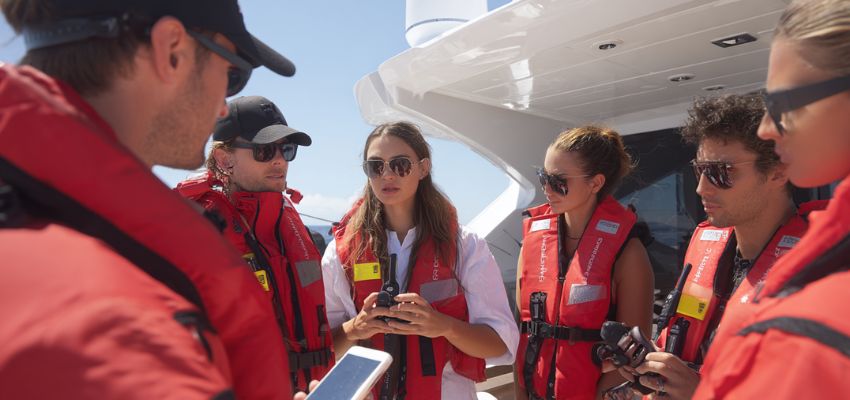
Gear alone is not enough. Training makes boating safety equipment useful. Crews and guests should know basics, life jackets, radios, exits. Practice builds calm. Maintenance matters too. Broken gear fails when needed most.
A boating safety equipment checklist should be reviewed often. One captain said, “Safety is a habit, not a rule.” Ask yourself, does everyone on board know what to do? Luxury yachts lead by example. Prepared boats enjoy safer, longer, better trips every time.
FAQs
What is the 12 person yacht rule?
The 12-person rule means a yacht carrying more than 12 passengers for hire is treated as a commercial vessel. That requires extra inspections, licenses, and safety rules. Private luxury yachts can carry more people only if they are not paying passengers.
What does every new boat owner need?
Every new owner needs required boating safety equipment first. That includes life jackets for all people, fire extinguishers, sound signals, navigation lights, and emergency tools. A boating safety equipment checklist helps avoid missed items.
What is the 10 rule for yachts?
The “10 rule” often refers to anchor safety. Many captains use a rule that the anchor line should be at least 10 times the water depth for strong holding. This helps keep yachts from drifting during engine trouble or bad weather. While not a law, it’s a smart safety habit.
What is the 3 R rule in boating?
The 3 R rule means Reduce speed, React early, and Respect others. It helps prevent crashes, injuries, and panic. Slowing down gives you time to think. Reacting early avoids danger. Respect keeps everyone safe.
Is BUI as serious as DUI?
Yes. BUI (Boating Under the Influence) is just as serious as DUI. Penalties can include fines, jail time, and loss of boating rights. Alcohol affects balance and judgment faster on water. Many accidents happen this way.
Final Thoughts
Luxury yachts are built for comfort, but safety keeps the journey happy. The right boating safety equipment helps protect people, plans, and peace of mind. Weather can change, parts can fail, and help may be far away. That is why preparation matters.
A clear boating safety equipment checklist and regular checks make every trip better and safer. At Luxury Retreat Group, safety comes first. Our experienced captains, well-kept yachts, and premium standards help guests relax and enjoy South Florida waters with confidence.
When safety is done right, luxury truly shines, and memories last longer than the trip.
Book Yacht Charters With Luxury Retreat Group
Looking for a great time on the water in South Florida? Luxury Retreat Group is now available for one-of-a-kind yacht charters in Boca Raton and beyond. Book our yachts for parties, romantic yacht dinner cruises, and more.
Fact Checked By Experts
Our team of experts has fact-checked this article. Explore the editorial standards to learn more about our commitment to factual accuracy.

About The Author
Rei Bayucca is a professional writer who loves yachting in South Florida’s tropical weather. She writes engaging and insightful articles that captivate and educate readers.