Master Nautical Flags: Essential Yachting Guide

Published January 29, 2026
Ever spotted a string of colorful flags snapping in the wind and wondered what secret message they’re shouting across the water? You’re not alone, and in yachting, not knowing can mean missing something critical.
Nautical flags aren’t just decorative; they’re a language, a safety system, and a centuries-old code still very much alive today. From the nautical flags alphabet to modern nautical signal flags, every color and pattern carries meaning.
In this guide, you’ll master nautical flags meaning, learn how the nautical alphabet flags work, and discover why this knowledge can instantly level up your confidence on the water. Ready to read the sea’s signs?
What Nautical Flags Really Are
Nautical flags can appear cheerful and colorful; nevertheless, they are highly significant at sea. When the radios are not functioning boats communicate by the use of nautical flags. They are not hard to observe even when they are distant.
Every flag represents one letter, some number or even a plain message. Without sound, boats are able to communicate. This will assist in ensuring the safety and calmness of people. Once you know the meaning of the flags, you are aware of what is going on around you.
Knowing nautical flags will enable you to feel confident, make wiser decisions, and enjoy boating without fear and confusion.
Why Nautical Flags Still Matter Today
With GPS, radios, and smartphones everywhere, it’s tempting to think nautical signal flags are outdated. That assumption can be dangerous. Technology fails. Batteries die. Signals drop. Nautical flags don’t. They’re reliable, visible, and universally understood.
In emergencies, a single flag can communicate distress faster than any device. The bold truth is that the smartest boaters don’t rely on one system, they master them all. Knowing nautical flags meaning gives you a backup plan when everything else goes quiet.
Nautical Flags vs Decorative Boat Flags
Not all flags on boats speak the same language. Decorative flags show personality, nationality, or celebration, but nautical flags deliver instructions. The difference is purpose. Nautical alphabet flags follow strict international standards, ensuring messages are understood regardless of language barriers.
Decorative flags don’t follow rules, signal flags live by them. Confusing the two can lead to missed warnings or misread intentions. When safety and navigation are on the line, function always beats flair.
A Brief History of Nautical Signal Flags
Long before digital communication, sailors relied on sight and symbols. Early maritime cultures used simple banners to warn or signal intent. Over centuries, those systems evolved into the International Code of Signals we use today.
The nautical flags alphabet was standardized so vessels from different nations could communicate instantly. It’s one of the oldest global languages still in active use, proof that sometimes, the old ways aren’t just romantic, they’re brilliant.
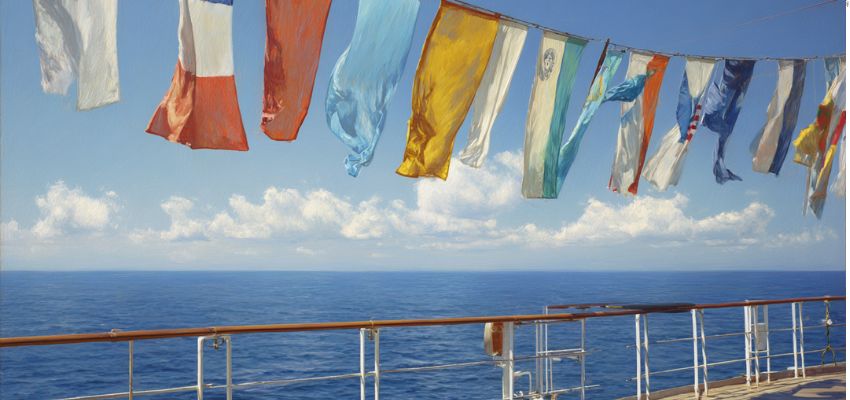
Understanding Nautical Flag Shapes
Shapes matter more than you think. Rectangular flags usually represent letters, while triangular pennants indicate numbers. Swallowtails and square flags serve specialized signaling roles. Why so many forms? Visibility and distinction.
At sea, clarity saves time, and time saves lives. When flags are whipping in the wind or seen from afar, shape helps the brain decode messages faster. It’s design driven by survival, not aesthetics.
The Psychology Behind Nautical Flag Colors
Color isn’t random, it’s strategic. Red signals danger. Blue often relates to medical needs. Yellow raises health or quarantine concerns. These colors trigger instinctive responses, even before you consciously interpret the message.
That’s intentional. Nautical signal flags are built to communicate under stress, fatigue, and pressure. Understanding the color language helps you react faster, not just correctly. On the water, seconds matter more than perfection.
The Nautical Flags Alphabet Explained
Each letter in the nautical alphabet flags system has its own unique design, and often its own standalone meaning. That’s the twist most beginners miss. One flag can represent a letter in a message or act as a complete instruction by itself.
This dual purpose makes the system powerful but easy to misuse if you don’t know it. Learning the alphabet isn’t just memorization, it’s learning context, intent, and consequence.
Numeric Pennants and Why They Matter
Numbers at sea aren’t casual details, they’re coordinates, times, distances, and identifiers. Numeric pennants allow vessels to share precise information visually. When combined with letter flags, they unlock complex communication without sound.
Think positions, bearings, or ship identification. If letters are the words, numbers are the specifics. Ignoring numeric pennants is like reading headlines without the details, dangerously incomplete.
How Nautical Flag Combinations Work
Here’s where things get interesting. Nautical flags truly come alive in combinations. Flying multiple flags together creates layered messages, from distress calls to navigational warnings. Some combinations are universally critical, others are context-dependent.
This is where confidence separates seasoned mariners from casual boaters. The bold move? Learn the most common combinations first. You don’t need all of them, just the ones that could save your vessel or someone else’s life.

When You Should Actually Use Nautical Flags
Do you need nautical flags? Maybe not, until you really do. Recreational boaters may rarely use them, but emergencies don’t care about experience level. Flags shine when radios fail, language barriers exist, or visibility beats sound.
Some regions even require specific flags by law. The smartest approach isn’t asking “Will I need this?” but “What happens if I don’t have it?” Preparedness always looks excessive, until it isn’t.
FAQs About Nautical Flags
What do two-flag signals mean?
Two-flag signals are used to send short, clear messages using nautical signal flags. Each pair has a specific nautical flags meaning, such as asking for help or giving a warning. They help boats understand each other quickly without speaking.
What are substitute pennants?
Substitute pennants are special nautical flags used when the same flag needs to be shown more than once. Instead of repeating a flag, a substitute pennant takes its place. This keeps messages in the nautical flags alphabet clear and easy to read.
Where should flags be flown?
Nautical flags should be flown where they are easy to see, usually on a mast or halyard. They must be high enough so other boats can spot them clearly. Good placement helps nautical signal flags work properly.
What size flag do I need?
Nautical flags are of different sizes, depending on the size of your boat. Large boats require large flags to be spotted at a great distance. It is a purpose of visibility, not ornament.
What are the colors used?
Nautical alphabet flags are in bright colors such as red, blue, yellow, black and white. The water can be easily seen in these colors. Every color is utilized in order to make the flag mean something.
Final Thoughts
Nautical flags may look simple, but they carry big meaning. Learning basic nautical flags meaning helps you stay safe and confident on the water. Shapes, colors, letters, and numbers all work together to share clear messages fast.
Even today, nautical signal flags are trusted when radios fail. If you want to enjoy yachting without worry, knowing these signs really helps. And if you’d rather relax and let experts handle everything, Luxury Retreat Group is here for you.
Our Boca Raton yacht charters offer safe, fun, and stress-free trips, so you can enjoy the water while we handle the details.
Book Yacht Charters With Luxury Retreat Group
Looking for a great time on the water in South Florida? Luxury Retreat Group is now available for one-of-a-kind yacht charters in Boca Raton and beyond. Book our yachts for parties, romantic yacht dinner cruises, and more.

Fact Checked By Experts
Our team of experts has fact-checked this article. Explore the editorial standards to learn more about our commitment to factual accuracy.

About The Author
Rei Bayucca is a professional writer who loves yachting in South Florida’s tropical weather. She writes engaging and insightful articles that captivate and educate readers.