How to Prevent Seasickness on a Boat for Kids and Adults

Published September 21, 2026
Your stomach flips. Your head spins. The waves rock, and rock, and rock. Suddenly, that fun boat trip feels like a bad idea.
If this sounds like you (or your kid), you are not alone. Millions of people feel sick on boats every year. The good news? It’s not “just in your head.” It’s your brain getting mixed signals from your eyes and ears, and once you know that, you can fix it.
In this guide, we’ll show you simple, real ways to stop seasickness before it starts. No boring science talk. Just tips that work, fast.
Why Your Body Feels Mixed Up at Sea
Your ears and eyes send different messages to your brain. Your inner ear feels the boat rock. But your eyes see a still cabin or a book. Your brain gets confused. It does not know which to believe. This mix-up is what causes seasickness. Kids and adults both feel it the same way.
The good news is, you can help your brain get its signals straight. That is the first step in learning how to prevent seasickness on a boat. Once you know why it happens, the tips below will make a lot more sense.
Watch the Line Where the Sky Meets the Sea
Here is a simple trick that works fast. Look far out at the horizon. That is the line where the sky meets the water. Do not look down at your phone or a book. Your eyes need to see the same movement your inner ear feels. This calms the mixed signals in your brain.
It is one of the easiest ways to prevent motion sickness on a boat. Kids can play a game, like spotting boats or birds far away. This keeps their eyes busy on the horizon without them even knowing it is a trick.
Choose Snacks That Won’t Upset Your Stomach
What you eat before a boat ride really matters. Pick light, plain foods like crackers or toast. Skip greasy burgers, spicy food, and sugary treats. Heavy meals sit in your stomach and make nausea worse. This is a simple way to avoid seasickness before it even starts.
For kids, pack small, boring snacks instead of exciting sweets. Plain popcorn or dry cereal works well too. A full but heavy stomach is much worse than a light one. Eating small amounts often is better than one big meal right before you step on board.
Skip the Soda and Sugary Drinks
Fizzy drinks and sugary juice can make your stomach feel worse on a boat. The bubbles and sugar upset your tummy fast. Instead, bring plain water for everyone, especially kids. This one small swap is a smart way to not get seasick during a long day out.
Cold water in small sips feels calming and keeps your body working right. Avoid big gulps of any drink, since a full stomach sloshes around with the waves. Pack a reusable water bottle so kids can sip all day slowly without needing to ask for a refill.
Let Ginger Be Your Tummy’s Best Friend
Ginger has helped people with upset stomachs for hundreds of years. It works well for boat rides too. Try ginger candy, ginger tea, or even ginger ale with real ginger in it. Kids usually like the chewy candy kind best. This natural trick is loved by sailors and doctors alike.
It is gentle, safe, and easy to pack in a small bag. Keep a few pieces ready before you even leave the dock. Starting early works better than waiting until you already feel sick. A little ginger can turn a rough ride into a smooth one.
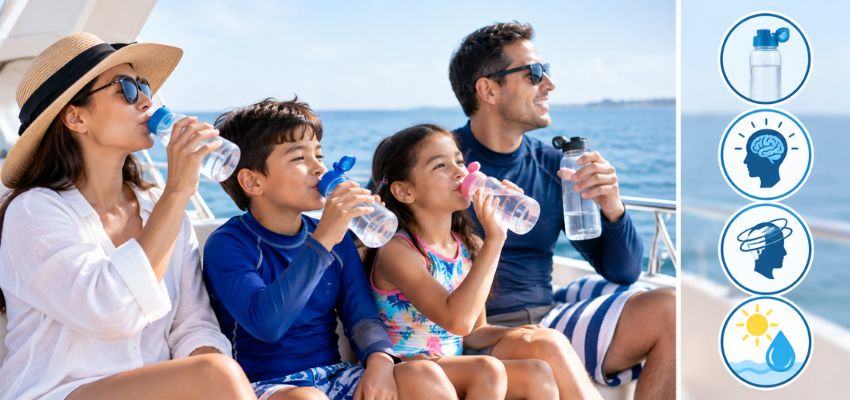
Sip Water Often, All Day Long
Staying thirsty is bad news on a boat. When your body does not have enough water, seasickness gets much worse. Headaches and dizziness often follow. The fix is easy: take small sips of water all day, not one big drink. This keeps your body calm and steady.
It really helps you avoid seasickness on long trips. Remind kids to drink water even if they do not feel thirsty yet. Hot, sunny days on the water make this even more important. A cool, steady sip of water can stop trouble before it even starts.
Stay Cool and Out of Strong Sun
Hot sun can make seasickness much worse. Getting too warm dries out your body fast. This brings on headaches, dizziness, and an upset stomach. Wear a hat and sit in the shade when you can. Light clothes help too.
This easy step is part of learning how to prevent seasickness on a boat before it becomes a big problem. For kids, put on sunscreen and a hat early, before they get too hot to notice. A cool, comfy body handles boat movement much better than an overheated one.
Sit Where the Boat Rocks the Least
Not every spot on a boat feels the same. The middle of the boat, close to the water, rocks the least. The front and back move much more. Sitting outside in fresh air also helps more than staying inside a closed cabin.
This is one of the best tips for preventing motion sickness on a boat for kids, who often feel it worse in tight spaces. Bring them outside where they can see open sky and air. A steady seat with a clear view outside makes a very big difference.
Try the Old Sailor’s Ear Trick
Here is a surprising trick sailors have used for years. Put a small earplug or rolled tissue in just one ear. This sounds strange, but it can help. Since seasickness comes from mixed signals between your eyes and ears, blocking one ear lets your brain trust your eyes more.
It sounds too simple to work, but many people swear by it. Try blocking the ear on the side away from your stronger hand. Nobody knows exactly why that side works best. It is worth trying next time you feel that first wave of queasiness coming on.
Talk to a Doctor About Medicine Options
Sometimes tips and tricks are not enough, and that is okay. There are safe medicines made just for motion sickness. Some come as pills, and some come as small patches you wear on your skin. A doctor or pharmacist can help you pick the right one for kids or adults.
Some medicines can make you sleepy, so ask questions first. This is a helpful backup plan for how to avoid seasickness on longer trips, like a full day out or an overnight sail. Always test new medicine at home first, before your big day on the water.
FAQs
How to avoid getting seasick on a boat?
Look at the horizon, eat light snacks, stay hydrated, and sit in the middle of the boat where it rocks the least. Fresh air and avoiding heavy or greasy food before you sail also go a long way.
What is the best preventative for seasickness?
Taking motion sickness medicine before you board, about 30 to 60 minutes ahead, works best for most people. Ginger and focusing on the horizon are great natural backups if you prefer to skip medicine.
How to build a tolerance to seasickness?
Spend more time on the water little by little, since your body can learn to adjust to the motion over time. Short, calm trips followed by slightly longer ones help your brain get used to the rocking.
What is the best medicine to prevent motion sickness while on a boat?
Over-the-counter options like meclizine or dimenhydrinate work well for many people, while prescription patches like scopolamine are popular for longer trips. Always check with a doctor or pharmacist first, especially for kids.
Does chewing gum help motion sickness?
Yes, chewing gum can help a little, since the chewing motion may ease the confusing signals between your ears and eyes. Ginger-flavored gum works even better, since it combines two helpful tricks in one.
Final Thoughts
Seasickness can feel scary, but it does not have to ruin your day on the water. Now you know why it happens and how to stop it before it starts. Simple steps like watching the horizon, eating light snacks, and staying hydrated can make a huge difference for kids and adults alike. With a little planning, everyone can enjoy the ocean breeze without feeling queasy.
Ready to put these tips to the test? Luxury Retreat Group offers smooth, comfortable yacht charters in Boca Raton and Delray Beach, with experienced captains who know how to keep every guest feeling great on the water. Book your trip today and enjoy South Florida from the best seat in town.
Book Yacht Charters With Luxury Retreat Group
Looking for a great time on the water in South Florida? Luxury Retreat Group is now available for one-of-a-kind yacht charters in Boca Raton and beyond. Book our yachts for parties, romantic yacht dinner cruises, and more.

Fact Checked By Experts
Our team of experts has fact-checked this article. Explore the editorial standards to learn more about our commitment to factual accuracy.

About The Author
Rei Bayucca is a professional writer who loves yachting in South Florida’s tropical weather. She writes engaging and insightful articles that captivate and educate readers.